JournalFlood Zones and Insurance: Questions Every Miami Buyer Should Ask
Miami's geography means that flood zone designation and insurance costs are material to almost every property purchase. Knowing the right questions to ask, before going under contract, can prevent costly surprises.
Miami New Realty
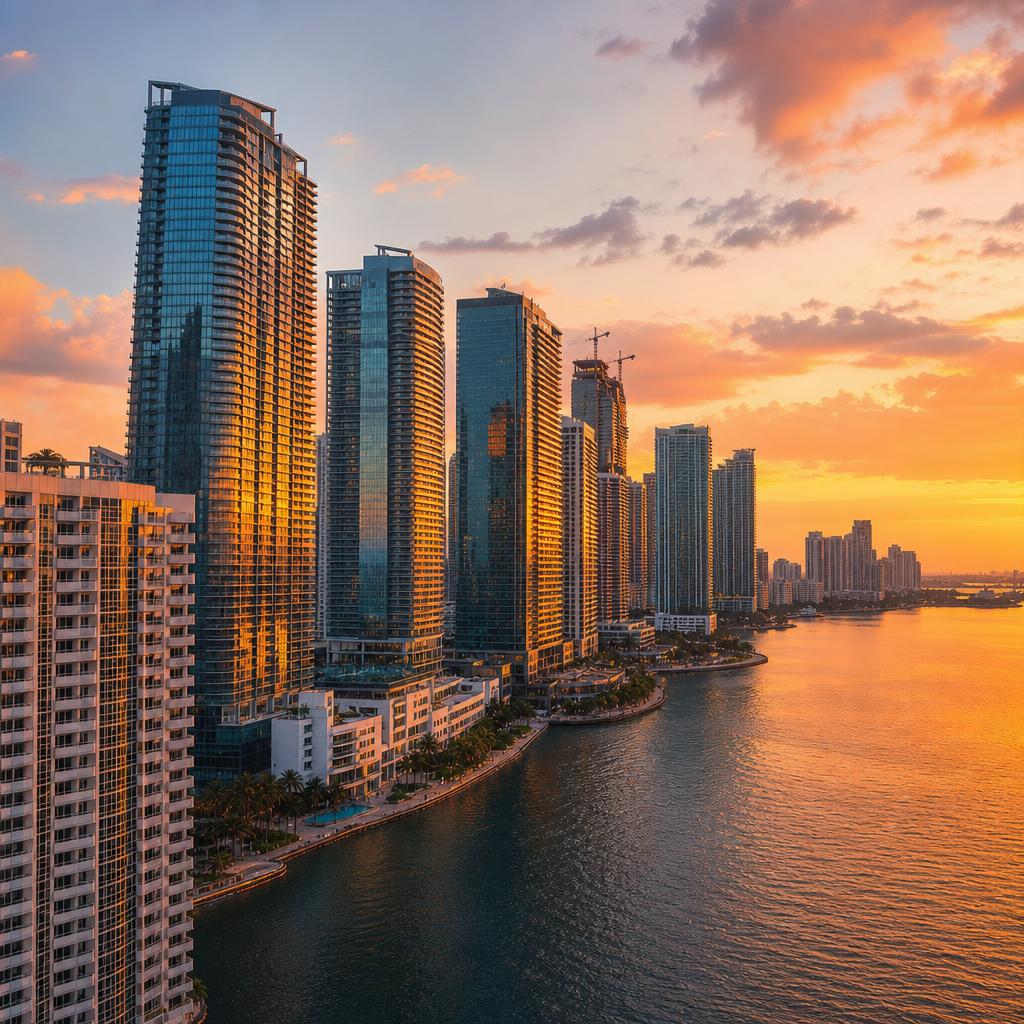
South Florida's flat topography, proximity to the Atlantic Ocean, and position within an active hurricane belt make flood risk a standard part of any Miami property conversation. Flood zone designations, insurance requirements, and elevation certificates are not abstract bureaucratic concepts here; they translate directly into monthly carrying costs, financing conditions, and long-term insurability. Buyers who investigate these questions early are better positioned than those who discover them at the closing table.
Understanding Flood Zone Designations
FEMA administers the National Flood Insurance Program (NFIP) and maintains Flood Insurance Rate Maps (FIRMs) that classify land into flood zones. High-risk zones, those with a designation beginning with 'A' or 'V', are areas where flood insurance is typically required by lenders using federally backed mortgages. Lower-risk zones exist as well, but 'lower risk' does not mean 'no risk.' Miami-Dade County has its own flood zone mapping resources, and FEMA maps are updated periodically. Always check the current effective map, not an older version a seller or listing may reference. Consult FEMA's official flood map service center and consider engaging a licensed surveyor or engineer to interpret the designation for a specific property.
Elevation Certificates and Their Role
An elevation certificate is a document prepared by a licensed surveyor that records the elevation of a structure relative to the Base Flood Elevation (BFE) established for that zone. For properties in high-risk flood zones, an elevation certificate is often required to accurately rate an NFIP policy; without one, insurers may use a default 'worst case' rate. A property elevated above the BFE typically qualifies for lower premiums than one at or below it. Ask the seller whether an existing elevation certificate is available, verify its date, and determine whether conditions on the property have changed since it was issued. Your lender and insurance agent can advise on whether a new certificate is warranted.
Flood Insurance Options and Costs
Flood insurance in Florida is available through the NFIP and through the private insurance market. NFIP coverage limits have historically been capped, which has driven some buyers in higher-value properties toward private excess flood insurance or private flood policies altogether. The private market can offer different terms, coverages, and pricing than the NFIP. Costs vary based on the zone, the elevation certificate, the structure type, coverage amounts selected, and current rating methodology. FEMA periodically updates its risk rating methodology; rates are not static. Obtain specific quotes from licensed insurance professionals rather than relying on estimates or what a prior owner paid.
Wind Insurance and Citizens Property Insurance
Flood and wind are separate perils requiring separate coverage. Standard homeowners insurance policies in Florida typically exclude flood and may exclude or limit wind. The Florida Citizens Property Insurance Corporation is the state's insurer of last resort and plays a significant role in the South Florida market. Citizens eligibility requirements, coverage terms, and rates are subject to legislative and regulatory change. Consult a licensed Florida property insurance agent to understand what coverage options are available for a specific property, the costs involved, and whether Citizens or a private carrier is appropriate for your situation.
Flood Risk and Future Resale
Flood zone designation and insurance costs can affect a property's future marketability. Properties in high-risk zones with significant insurance obligations may be harder to finance for future buyers, which can affect your eventual exit. Some buyers ask about whether a property qualifies for a flood zone amendment (LOMA or LOMR-F) if there is reason to believe the designation is inaccurate, but this is a technical and professional process that requires a licensed surveyor and FEMA review.
Flood zones and insurance are not topics to defer until after you are under contract. Raising these questions early, with your agent, a licensed insurance professional, and your lender, lets you make an informed offer and avoids the disruption of discovering material costs late in the process. Miami's real estate landscape is extraordinary; understanding its natural environment is part of navigating it well.
Contact the team