One of the most common questions buyers and renters ask when exploring Miami is simply: which neighborhood is right for me? The honest answer is that Miami's neighborhoods are genuinely different from one another in ways that matter to daily life, not just in price or prestige, but in pace, character, walkability, noise levels, community feel, and the trade-offs they ask of you. No neighborhood is objectively superior. Each is a distinct proposition. What follows is an orientation to six of the areas Miami New Realty frequently discusses with clients, presented without rankings, valuations, or market commentary.
Brickell: The Urban Financial Core
Brickell is Miami's densest, most verticalized neighborhood, a cluster of glass towers along Brickell Avenue and its surrounding blocks. Life here is genuinely walkable for those who live and work within its footprint. Restaurants, grocery stores, the Brickell City Centre mall, and the Metromover are all within easy reach for most residents. The energy is professional, international, and fast-paced. Nightlife exists but is generally more subdued than South Beach. Traffic on Brickell Avenue and I-95 access points is a genuine consideration, and views from upper floors can be extraordinary. Brickell suits buyers and renters who value density, convenience, and a city-first lifestyle. The trade-off is that green space, quiet streets, and a sense of residential scale require effort to find.
Miami Beach: The Iconic Coastal Experience
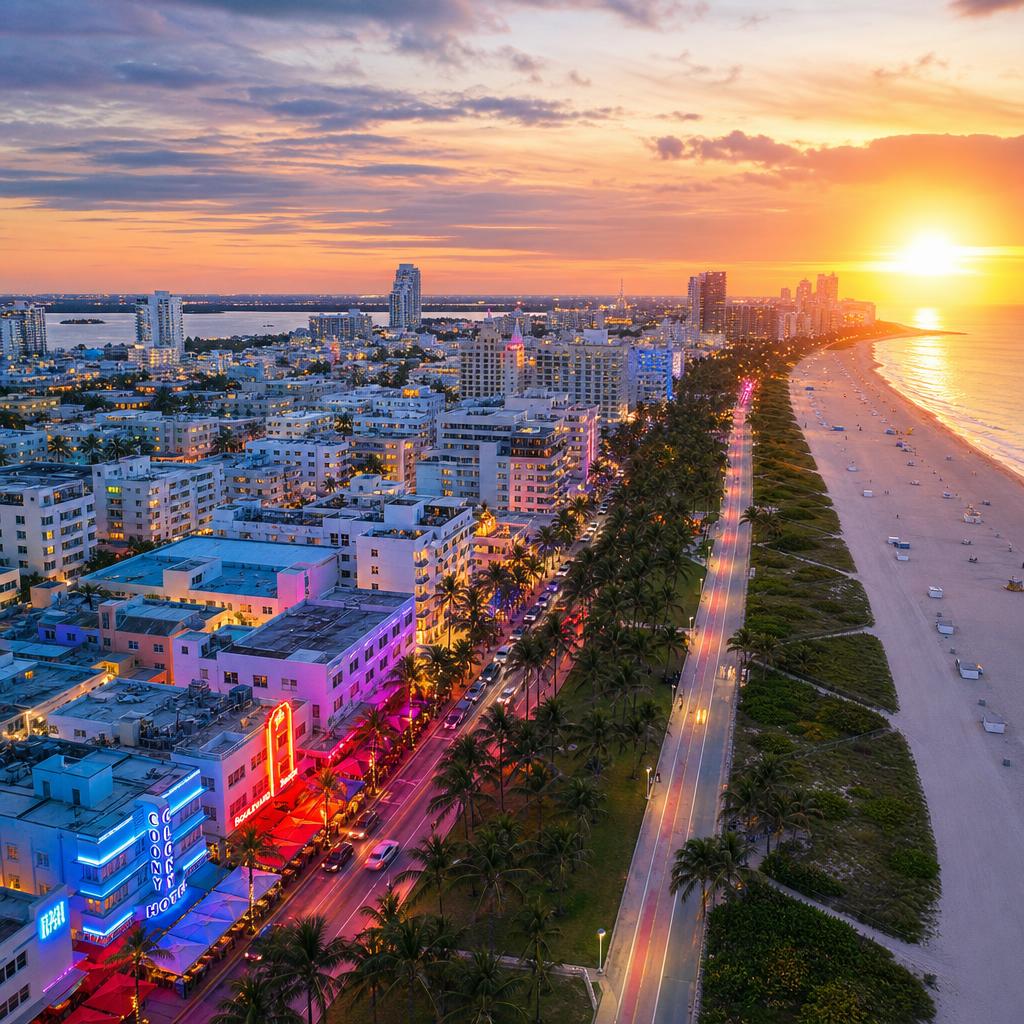
Miami Beach is a barrier island with a character unlike any inland neighborhood. The beach is genuinely accessible. The Art Deco district in South Beach is a globally recognized architectural and cultural landmark. North Beach and Mid-Beach offer a somewhat quieter register while remaining unmistakably Miami Beach. The island attracts year-round visitors and seasonal residents, which contributes to the energy, and the noise, traffic, and parking constraints, that are part of island life. Miami Beach has its own city government, its own building codes (which include flood resilience requirements), and its own school system. For those who want to live beachside, it offers that experience authentically. For those who need quiet neighborhoods or easy commutes to mainland work centers, the bridge crossings and tourism traffic are real factors.
Coral Gables: Mediterranean Character and Tree-Canopy Living
Coral Gables is an incorporated city with its own planning department, architectural review standards, and a notably different physical character than most of Miami. The Mediterranean Revival architecture, wide boulevards, mature tree canopy, and the presence of the University of Miami give Coral Gables a cohesive, curated feel. The Miracle Mile commercial corridor serves as a true downtown for the neighborhood. Coral Gables tends to attract families, long-tenured residents, and buyers seeking a residential scale that feels removed from the downtown density. Commuting from Coral Gables to Brickell or the airport is workable but does involve traffic. Zoning in Coral Gables has historically been protective of its residential character, which shapes what can be built and how properties can be used.
Coconut Grove: Bohemian Roots, Waterfront Presence
Coconut Grove is one of Miami's oldest communities, and that history shapes its personality. Mature trees, winding streets, a marina, and a arts-and-culture heritage give the Grove a texture that newer Miami neighborhoods cannot manufacture. Village Center and CocoWalk serve as local anchors. The neighborhood has evolved significantly but retains a distinctly different pace from Brickell or Miami Beach. Coconut Grove appeals to buyers who value walkability to a village-scale retail and dining environment, proximity to Biscayne Bay, and a residential density that feels intentionally human-scale. It also borders some of Miami's more exclusive estate streets. Parking and street navigation in the Village area can be challenging during peak hours.
Edgewater: Bayfront Density Between Downtown and Wynwood
Edgewater sits along Biscayne Bay between downtown Miami and Wynwood, and its transformation in recent years has been significant. The neighborhood is primarily high-rise condominium towers offering direct bay views and Brickell skyline sightlines. It is close to the Design District, Wynwood, and Midtown, giving residents easy access to the arts and dining corridors those neighborhoods offer. Edgewater lacks the walkable retail infrastructure of some other neighborhoods; day-to-day errands often require driving, but the proximity to Biscayne Bay and the positioning between creative and financial centers of the city is its primary appeal. The Wynwood Arts District is a short drive or bike ride away.
The Design District: Art, Architecture, and Curated Urbanism
The Design District is the most boutique of these six neighborhoods in residential terms. Luxury retail, art galleries, design showrooms, and some of Miami's most architecturally ambitious restaurant spaces define its public character. Residential development in the Design District tends toward the high-end condominium and townhouse, and the neighborhood attracts buyers drawn specifically to its aesthetic identity and proximity to the arts community. Daily grocery and errand infrastructure is limited within the Design District itself, and residents typically combine it with nearby Midtown or Wynwood for everyday needs. It is a neighborhood that suits a specific kind of urban lifestyle, one organized around design, art, dining, and selective density.
The most useful thing you can do before choosing a Miami neighborhood is spend time in it. Walk the blocks, visit the coffee shops, sit in the parks, and time the commute to your office. The neighborhood that reads best on paper may not be the one that fits the rhythm of your actual life. An experienced local agent can introduce you to the specifics of each area and help you map your priorities to realistic options.
Contact the team